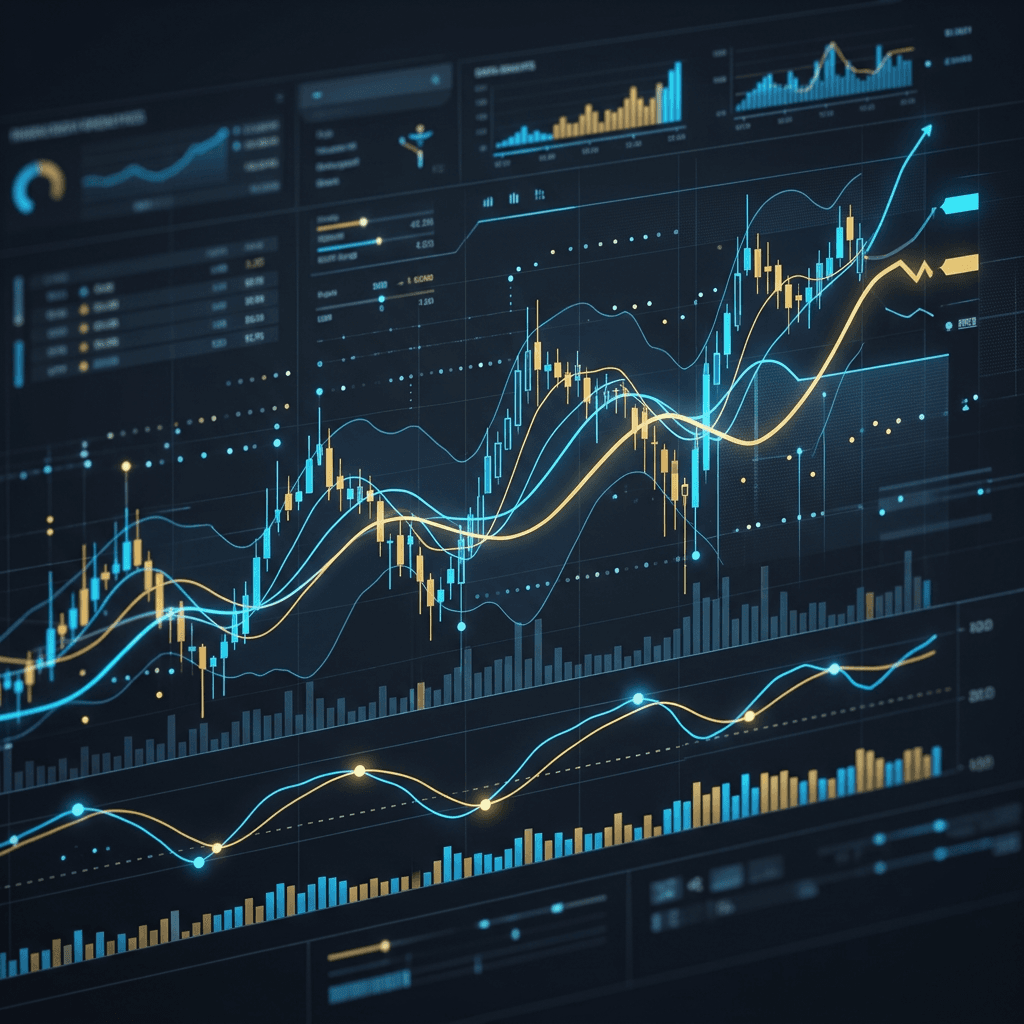
Market Trends: Analyzing Current Trading Patterns
In the ever-shifting landscape of global finance, understanding market trends is crucial for any trader looking to maximize their investment potential.
Market Trends: Analyzing Current Trading Patterns
In the ever-shifting landscape of global finance, understanding market trends is crucial for any trader looking to maximize their investment potential. As we delve into recent data from various trading markets, it is evident that volatility and liquidity remain key themes that traders must navigate in 2026. This post aims to analyze the current trading patterns and provide insightful takeaways for traders to consider.
Current Market Overview
As of March 2026, market data indicates a notable divergence in asset performance across major sectors:
| Asset Class | Performance YTD (%) | Average Daily Volume (millions) |
|---|---|---|
| Equities | 12.5 | 3,500 |
| Commodities | -3.1 | 1,200 |
| Forex | 6.4 | 7,800 |
| Cryptocurrencies | 25.2 | 600 |
Volatility and Liquidity
The S&P 500 has experienced a surge, gaining approximately 12.5% year-to-date (YTD) as corporate earnings have exceeded expectations, particularly in technology and healthcare sectors. On the other hand, commodities, particularly crude oil and gold, saw a downturn of about -3.1%, attributed to fluctuating demand and geopolitical tensions. This mixed performance can be linked to varying investor sentiments driven by global inflation rates and central bank policies.
Forex markets have also shown strength, with a 6.4% increase driven primarily by the USD's strength against emerging market currencies. This highlights the importance of currency trading as broader economic conditions fluctuate.
Moreover, the cryptocurrency market has outperformed all traditional assets with a staggering increase of 25.2% YTD. Factors contributing to this rally include institutional adoption and the launch of new blockchain innovations.
Key Takeaways
Understand the following key elements to enhance your trading strategy:
- Diversification is essential: With equities performing well and commodities lagging, spreading investments across different asset classes can mitigate risks.
- Monitor economic indicators: Keep an eye on inflation data, employment numbers, and central bank remarks to gauge market trends effectively.
- Set stop-loss orders: In a volatile environment, protecting capital is critical. Positioning stop-loss orders can help manage downside risks, particularly in high-volatility assets like cryptocurrencies.
What Traders Should Watch
- Federal Reserve Policies: As central banks continue to influence market movements through interest rate decisions, traders should closely monitor any announcements from the Fed.
- Geopolitical Events: Changes in international relations can create sudden volatility in commodity markets; staying informed is vital.
- Technological Developments in Crypto: Follow advancements in blockchain technology which can impact market sentiment and investment strategies.
Conclusion
As we move forward through 2026, being aware of these market trends and adapting strategies accordingly is vital for traders aiming to excel in their investments. As always, thorough research and due diligence will serve as the backbone of sound trading decisions.
Actionable Insight: Consider reallocating a portion of your portfolio to cryptocurrency assets, while also maintaining traditional asset exposure for balanced risk management. As we have seen, both equity and crypto markets present lucrative opportunities this year.