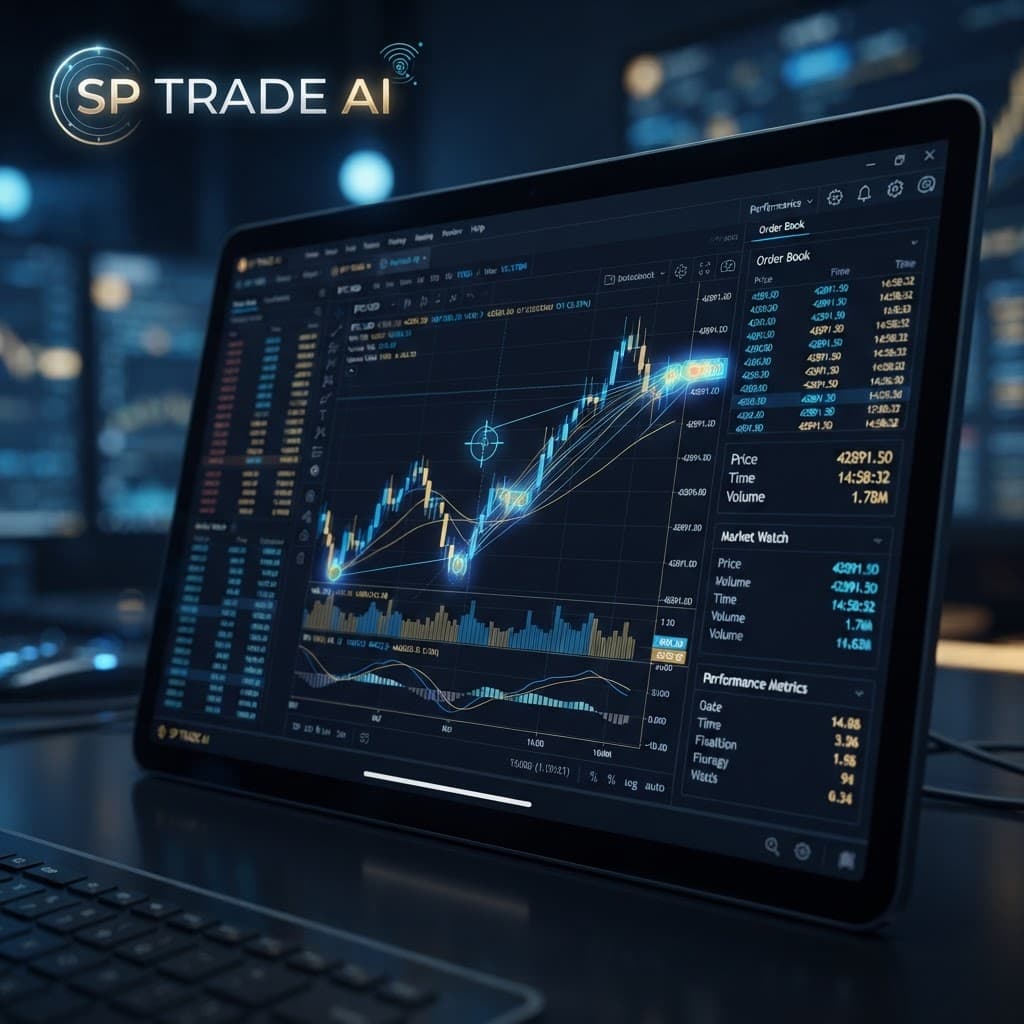
Harnessing Eye-Tracking Behavioral Biometrics to Enhance Trading Education
Recent advancements in Eye-Tracking Behavioral Biometrics are transforming trading education, helping novice traders focus on key performance metrics rather than social pressures. This shift empowers traders to better manage psychological biases and optimize their decision-making processes.
Introduction
In the rapidly evolving landscape of trading education, innovative techniques are emerging to improve the learning experience for novice traders. A breakthrough in this domain is the use of Eye-Tracking Behavioral Biometrics, which is revolutionizing how traders understand market stimuli and their psychological responses to trading decisions. Recent findings from the Furman Business Analytics Lab highlight this shift, particularly following the successful Stock and Option Trading Challenge.
The Study
Over the course of the challenge, 16 traders worked with $1 million in virtual seed capital while equipped with eye-tracking sensors. Their performance was nothing short of remarkable:
- The top-performing team achieved a 10.39% return in just three weeks, translating to an annualized return of roughly 180%.
- Insights from the data showcased a notable "educational pivot": early-stage traders were primarily focused on social rankings and peer performance, whereas successful graduates honed their attention on profit-and-loss (P&L) movements and objective performance metrics.
Implications for Traders
This study underscores a significant transformation in the approach to training traders. Here’s why this matters:
- Shifting Focus: The emphasis is moving from "what" to trade (specific stocks or options) to "how" the trader's brain processes risk and makes decisions.
- Understanding Visual Fixations: By identifying visual patterns that contribute to stress, anxiety, and emotional over-trading, educators can provide actionable feedback to traders on where to channel their focus.
- Reducing Psychological Bias: The technology targets biases such as the "disposition effect", wherein traders hold onto losing positions for too long. By training novice traders to prioritize critical data over distractions, they can enhance their decision-making capacity.
The Future of Trading Education
As trading becomes more competitive with 24/7 market access, understanding one's behavioral data is becoming as crucial as mastering order books. Educators and training programs are integrating:
- Real-time feedback from eye-tracking technology to influence trading strategies.
- Targeted exercises that help individuals recognize and mitigate emotional trading triggers.
- Data analytics to gauge improvements in traders' focus and decision-making processes.
Conclusion
The advent of Eye-Tracking Behavioral Biometrics marks a pivotal enhancement in trading education. As traders align their focus according to data-driven insights, they are better equipped to navigate the complex dynamics of the market. This innovative approach not only improves performance but also prepares traders for the demands of the fast-paced trading world in 2026 and beyond.